
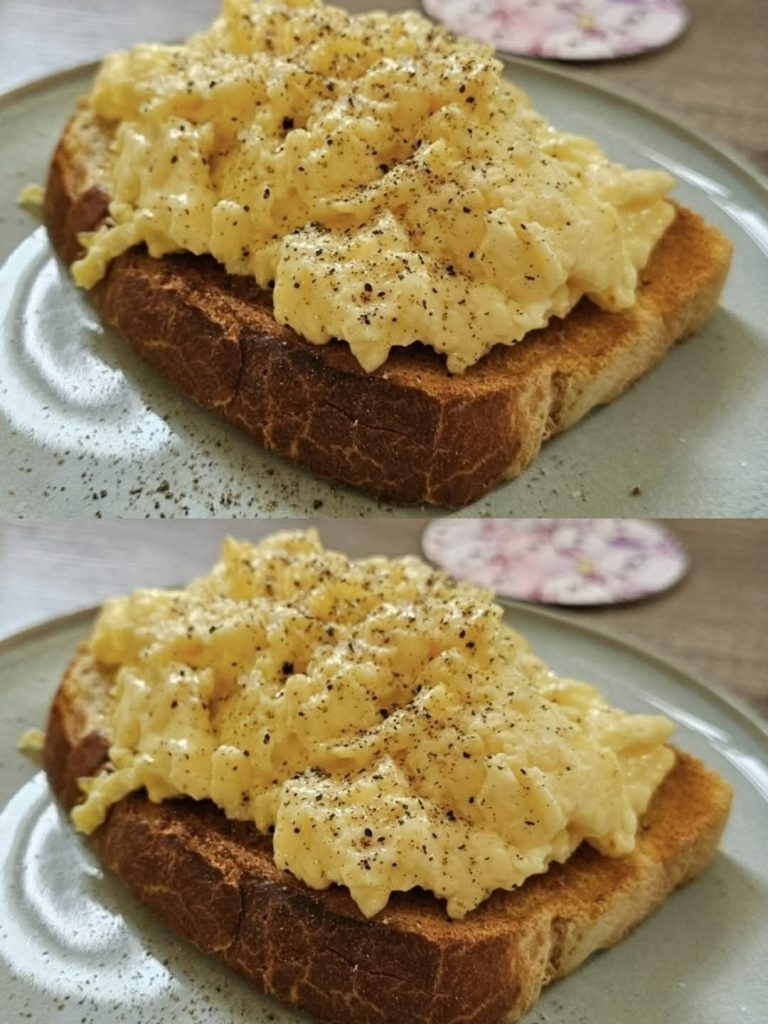
The Ultimate Guide to Perfect Scrambled Eggs: Soft, Creamy & Restaurant-Worthy
Introduction
Scrambled eggs look simple, but they are one of the most misunderstood dishes in cooking. One moment they’re soft and creamy like a cloud, and the next they turn dry and rubbery. The secret to perfect scrambled eggs isn’t speed—it’s patience, low heat, and gentle technique. When done right, you get silky, custard-like eggs that melt on your tongue and taste like something straight from a high-end restaurant. This method will completely change the way you cook eggs forever.
The Three Pillars of Perfection
Low & Slow Heat
High heat is the enemy of creamy scrambled eggs. It cooks the eggs too quickly, forcing out moisture and creating dry, tough curds. Low heat allows the eggs to cook gently, keeping them soft and rich.
Gentle, Patient Folding
Instead of aggressively stirring, you should slowly fold the eggs as they cook. This creates large, tender curds instead of small, dry pieces. Think soft waves, not scrambled gravel.
Stop Before They’re Fully Cooked
Eggs continue cooking even after you remove them from the pan. The perfect moment to stop is when they still look slightly wet and glossy. The residual heat will finish the cooking process perfectly.
Ingredients
- 3 to 4 large eggs (room temperature preferred)
- 1 tablespoon unsalted butter (15 g / 0.5 oz), divided
- 1 tablespoon heavy cream, whole milk, or crème fraîche (15 ml / 0.5 fl oz), optional
- Salt, to taste
- Freshly ground black pepper, to taste
